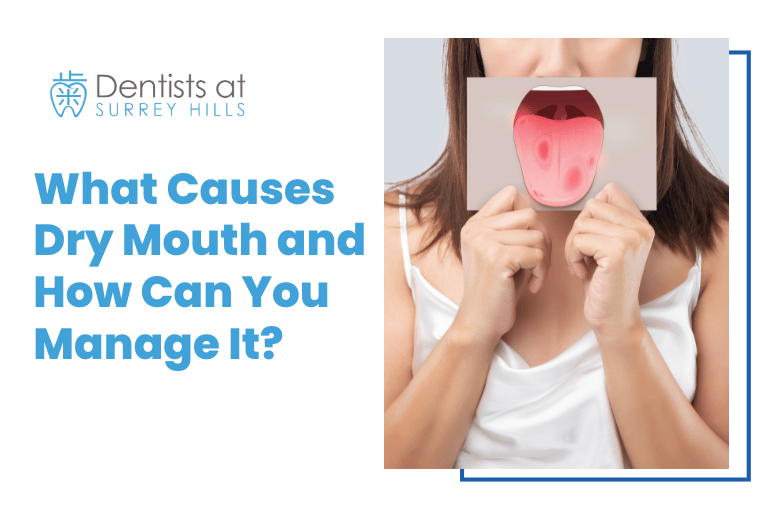
Dry mouth is often caused by dehydration, certain medications, mouth breathing or medical conditions that affect saliva production. While occasional dryness is usually harmless, a persistently dry mouth can make eating and speaking uncomfortable and increase your risk of tooth decay.
The good news is that many cases can be managed with simple changes to your daily routine. However, if your mouth regularly feels dry, understanding the cause is important for finding the right treatment.
What Is Dry Mouth?
Dry mouth, also known as xerostomia, is the feeling that your mouth does not have enough saliva to stay comfortably moist. It may happen because your salivary glands are producing less saliva than normal, although the sensation of dryness does not always mean saliva production is reduced.
Saliva does much more than keep your mouth comfortable. It helps you chew and swallow food, supports digestion and protects your teeth by washing away food particles and neutralising acids.
When there is not enough saliva, these natural protective functions become less effective. This is why ongoing dry mouth can affect both your comfort and oral health.
What Are the Common Causes of Dry Mouth?
There are several possible reasons for a dry mouth. Some are temporary and easy to address, while others may require medical or dental advice.
1. Dehydration
Not drinking enough water is one of the simplest explanations for a dry mouth. When your body is dehydrated, it may produce less saliva.
You may notice dryness after exercising, spending time in hot weather or being unwell with a fever. Vomiting and diarrhoea can also cause dehydration.
If dehydration is the cause, drinking enough water will usually help. However, persistent dryness despite adequate hydration may suggest another contributing factor.
2. Medications
Dry mouth is a side effect of many prescription and over-the-counter medicines. Some medications affect the nerves or glands responsible for saliva production.
Common examples include:
- Antihistamines used for allergies
- Antidepressants and some anxiety medications
- Certain blood pressure medications
- Decongestants for blocked noses
- Some pain medications
- Diuretics, which increase urine production
According to NSW Health, medications can reduce saliva and increase the risk of dental problems.
If your mouth became dry after starting a new medicine, speak with your doctor or pharmacist. Do not stop taking prescribed medication or change your dose without medical advice.
3. Mouth Breathing and Snoring
Breathing through your mouth can dry out the tissues inside it, particularly while you sleep. This may explain why some people wake up with a dry mouth even though they feel comfortable during the day.
Common contributing factors include nasal congestion, allergies and snoring.
If you frequently wake up with a dry mouth, pay attention to whether you also have a blocked nose or difficulty breathing through it. Persistent snoring, especially with gasping or pauses in breathing, should be discussed with your doctor.
4. Medical Conditions
Certain health conditions can affect how much saliva your body produces.
These include diabetes, Sjögren’s disease and some autoimmune conditions. Sjögren’s disease affects the glands that produce moisture, often causing both dry eyes and a dry mouth.
A dry mouth alone does not mean you have one of these conditions. However, if it continues without an obvious explanation, your doctor may recommend further investigation.
5. Smoking, Alcohol and Caffeine
Some everyday habits can make an already dry mouth feel worse.
Smoking and vaping may irritate oral tissues, while alcohol can contribute to dryness. Drinking large amounts of caffeinated beverages may also aggravate symptoms in some people.
Reducing these habits may help improve comfort, particularly when combined with adequate hydration.
6. Cancer Treatments and Other Factors
Radiotherapy to the head or neck can damage the salivary glands and reduce saliva production. Chemotherapy may also affect saliva and cause temporary changes inside the mouth.
Hormonal changes, including those associated with menopause, may contribute to dryness in some people. Although dry mouth becomes more common with age, ageing itself is not always the direct cause. Older adults may also be taking several medications that affect saliva production.
What Are the Signs of Dry Mouth?
A dry or sticky feeling is the most obvious symptom, but dry mouth can affect people in different ways.
You may experience:
- A dry, rough or burning tongue
- Thick or stringy saliva
- Cracked lips or soreness at the corners of your mouth
- Persistent bad breath
- Difficulty chewing, swallowing or speaking
- Changes in how food tastes
- A sore throat or hoarse voice
- A dry mouth when waking up
Some people notice that they need water to swallow dry foods, such as bread or crackers. Others find that their tongue sticks to the roof of their mouth.
If these symptoms occur regularly rather than occasionally, it is worth investigating the cause.
Why Is Dry Mouth Bad for Your Teeth?
Saliva plays an important role in protecting your teeth against decay. It helps wash away food debris, neutralise acids produced by bacteria and supply minerals that support tooth enamel.
Without enough saliva, acids can remain in contact with your teeth for longer. This creates an environment where cavities may develop more easily.
Persistent dry mouth can increase the risk of:
- Tooth decay: Reduced saliva makes it harder for your mouth to neutralise harmful acids and increases the risk of tooth decay.
- Gum problems: Changes in the oral environment can contribute to plaque-related gum disease.
- Oral infections: A lack of saliva may increase the likelihood of fungal infections such as oral thrush.
- Mouth irritation: Dry tissues can become sore, particularly when eating certain foods.
The Australian Dental Association’s guide to dry mouth explains why reduced saliva can allow tooth decay to develop more quickly.
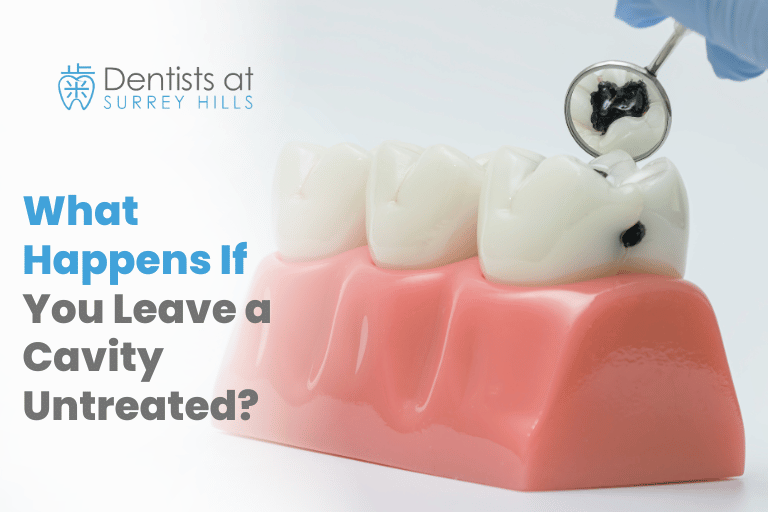
If you want to understand how cavities can progress, our article on what happens if you leave a cavity untreated explains the possible consequences of untreated tooth decay.
How Can You Manage Dry Mouth at Home?
The most effective approach depends on what is causing the dryness. However, several practical measures can help relieve discomfort and protect your oral health.
Drink Water Regularly
Keep water available throughout the day, particularly during meals or physical activity. Small sips can provide temporary relief when your mouth feels uncomfortable.
Choose plain water rather than soft drinks, energy drinks or fruit juice. Sugary and acidic drinks can increase the risk of tooth decay, especially when saliva production is already reduced.
Chew Sugar-Free Gum
Chewing encourages your salivary glands to produce saliva. Sugar-free gum can therefore be helpful between meals if your glands are still able to respond.
Choose sugar-free products rather than ordinary chewing gum or sweets. Using sugary lollies to relieve dryness can expose your teeth to sugar repeatedly throughout the day.
Try Saliva Substitutes
If drinking water is not providing enough relief, products designed for dry mouth may help.
These include oral moisturising gels, sprays and saliva substitutes. They help lubricate the mouth, although they do not necessarily treat the underlying cause.
Your dentist or pharmacist can recommend a suitable product based on your symptoms.
Adjust Your Diet
Certain foods can be uncomfortable when your mouth is dry. Very salty, spicy or acidic foods may irritate sensitive tissues, while dry or crunchy foods can be difficult to swallow.
Try adding sauces or gravy to meals and choosing softer foods when necessary. Drinking water with meals may also make chewing and swallowing easier.
Improve Your Sleeping Environment
If your mouth feels particularly dry overnight, a humidifier may help by adding moisture to the bedroom air.
It is also worth addressing nasal congestion or other problems that cause you to breathe through your mouth while sleeping. If mouth breathing or snoring is persistent, seek medical advice rather than trying to manage it by keeping your mouth closed.
Avoid Products That Irritate Your Mouth
Alcohol-containing mouthwashes can make dryness more uncomfortable. Consider using an alcohol-free product, particularly one recommended for people with dry mouth.
Avoid using harsh or highly abrasive oral care products to compensate for a sticky feeling. Gentle cleaning is more effective and less likely to irritate sensitive tissues.
How Can You Protect Your Teeth If You Have Dry Mouth?
Managing discomfort is only one part of dealing with dry mouth. Protecting your teeth is equally important, particularly if the problem has continued for some time.
Brush twice daily with fluoride toothpaste and clean between your teeth every day using floss or interdental brushes. Your dentist may recommend additional fluoride protection if you have a higher risk of cavities.
Pay attention to how frequently you consume sugary foods and drinks. Repeated snacking or sipping sweet drinks gives bacteria more opportunities to produce acids, which can be particularly damaging when saliva is limited.
Regular dental examinations are also important. Your dentist can check for early signs of decay, assess your gums and recommend preventive care suited to your needs.
For more information about keeping your teeth clean, read our article on why your teeth may feel rough after brushing.
When Should You See a Dentist About Dry Mouth?
An occasional dry mouth after exercise or a night of mouth breathing is not usually a reason for concern. However, dryness that continues or repeatedly returns should not be ignored.
Consider arranging a dental appointment if:
- Your mouth feels dry most days
- You regularly wake up with a very dry mouth
- You have difficulty eating, swallowing or speaking
- You develop frequent mouth sores or oral infections
- You notice new tooth sensitivity or cavities
- Home remedies are not improving your symptoms
During an examination, your dentist may assess your teeth, gums and oral tissues, ask about your medications and discuss when your symptoms began.
Depending on the findings, they may recommend preventive dental treatments, dry mouth products or further assessment by your GP.
If you experience severe difficulty swallowing, sudden swelling or breathing difficulties, seek urgent medical attention.
Can Dry Mouth Be Treated Permanently?
Whether dry mouth can be resolved depends on its underlying cause.
Temporary dryness caused by dehydration or mouth breathing may improve once the contributing problem is addressed. If a medication is responsible, your doctor may be able to suggest an alternative or adjust your treatment.
However, some conditions that affect the salivary glands can cause long-term symptoms. In these cases, treatment focuses on maintaining comfort, supporting saliva production where possible and preventing dental complications.
The important thing is to identify what is contributing to the dryness rather than relying only on short-term relief.
When Should You Seek Professional Advice?
If your dry mouth persists despite making changes to your daily routine, it is worth having your oral health checked. A dentist can look for signs of tooth decay, gum problems or other changes that may be associated with reduced saliva production.
Visiting an experienced local dentist can help you understand how dry mouth may be affecting your teeth and what preventive care might be appropriate. If an underlying medical condition or medication is suspected, your dentist may also recommend speaking with your GP.
Addressing persistent dryness early can help protect your teeth and keep your mouth comfortable in the long term.
More Resources: