
If your breath still smells after brushing, the most common reason is that brushing alone does not remove all the bacteria causing odour. A dentist will often explain that bad breath, also known as halitosis, usually comes from areas your toothbrush cannot reach, your overall oral health condition, or sometimes underlying issues that need professional attention. While brushing is an essential habit, it is only one part of maintaining fresh breath.
This guide explains the real reasons behind persistent bad breath and what you can do to fix it properly.
What Causes Bad Breath Even After Brushing?
Brushing mainly cleans the surface of your teeth, but your mouth has many areas where bacteria can build up and produce odour. These bacteria break down food particles and release compounds that cause an unpleasant smell. If these areas are not properly cleaned, bad breath can remain even after a thorough brushing routine.
Bacteria on the Tongue
One of the most overlooked causes of bad breath is the tongue. The surface of your tongue contains tiny grooves where bacteria, dead cells, and food debris collect over time. These bacteria produce sulphur compounds, which are responsible for the smell associated with bad breath. Even if your teeth are completely clean, your breath may still smell if your tongue is not properly cleaned. Many dentists recommend gently brushing your tongue or using a tongue scraper daily to remove this build-up effectively.
Food Debris Between Teeth
Another common cause is food particles trapped between your teeth. Brushing alone cannot reach tight spaces, which means small bits of food can remain and begin to break down. As bacteria feed on these particles, they produce odour that brushing cannot eliminate. Over time, this build-up can also contribute to plaque and increase the risk of gum disease. Flossing daily is essential because it removes debris from areas that your toothbrush cannot access.
Dry Mouth (Lack of Saliva)
Saliva plays an important role in keeping your mouth clean. It helps wash away food particles, neutralise acids, and control bacteria. When your mouth is dry, bacteria can grow more quickly and produce stronger odours. This is why bad breath is often worse in the morning or during long periods without drinking water. Dry mouth can also be caused by dehydration, certain medications, mouth breathing, or lifestyle habits such as alcohol and caffeine consumption. Without enough saliva, brushing alone will not be enough to maintain fresh breath.
Gum Disease
Persistent bad breath can also be an early sign of gum disease. When plaque builds up along the gum line and is not removed properly, it hardens into tartar and creates pockets where bacteria thrive. These bacteria produce toxins that damage the gums and create a strong, ongoing smell. In many cases, people may not realise they have gum disease until symptoms such as bleeding gums or bad breath become noticeable. A dentist can identify and treat gum disease early before it becomes more serious.
Tooth Decay or Infection
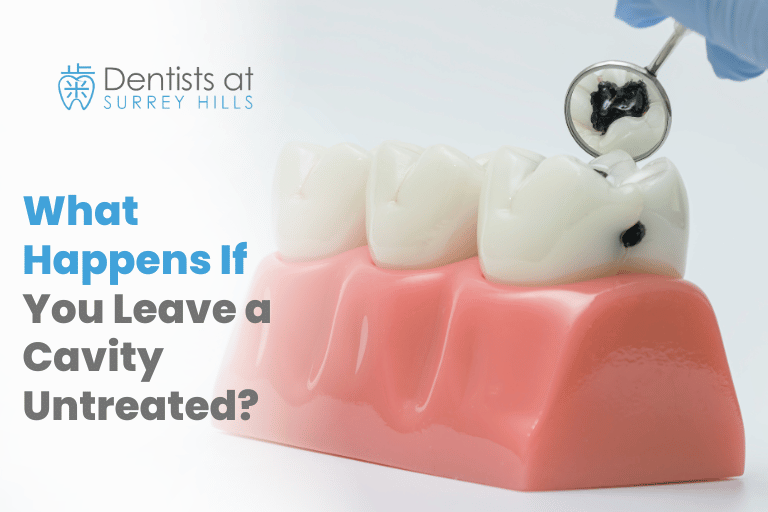
Tooth decay and infections can also cause bad breath that does not go away with brushing. Cavities create small openings where bacteria can grow deep inside the tooth, making them difficult to clean with regular brushing. As the decay progresses, it produces a persistent odour that remains regardless of your hygiene routine. In more advanced cases, infections can lead to abscesses, which often result in a strong and unpleasant smell that requires immediate dental care.
Diet and Lifestyle
Your diet and daily habits also play a significant role in how your breath smells. Foods such as garlic, onions, and strong spices can affect your breath even after brushing because their compounds enter your bloodstream and are released through your lungs. Smoking is another major factor, as it not only causes bad breath but also reduces saliva production and increases the risk of gum disease. Alcohol can have a similar effect by drying out your mouth and allowing bacteria to thrive.
Why Brushing Alone Is Not Enough
Brushing is an important part of oral hygiene, but it does not address all the areas where bacteria live. Your mouth is a complex environment that includes your tongue, gums, and the spaces between your teeth. If these areas are not cleaned properly, bacteria will continue to produce odour even if your teeth appear clean. A complete routine recommended by any dentist includes brushing twice daily, flossing regularly, cleaning your tongue, staying hydrated, and attending regular dental check-ups. When these habits are combined, they provide a much more effective way to maintain fresh breath.
When Should You See a Dentist?
Occasional bad breath is normal and can happen after eating certain foods or waking up in the morning. However, if bad breath continues despite good oral hygiene, it may indicate a deeper issue that requires professional care. You should consider visiting a local dentist if your breath smells consistently, if you experience bleeding or swollen gums, if you often have a dry or sticky feeling in your mouth, or if there is a persistent bad taste that does not go away. A dentist can assess your oral health, identify the cause, and recommend appropriate treatment rather than temporary solutions.
How to Fix Bad Breath Properly
Improving bad breath requires a consistent and well-rounded approach rather than relying on quick fixes. Developing better daily habits and understanding the cause of the problem will lead to more effective and long-lasting results.
Improve Your Daily Routine
A proper oral hygiene routine should focus on thorough and consistent care. Brushing should be done for at least two minutes using the correct technique, ensuring all surfaces of the teeth are cleaned. Flossing should be part of your daily routine to remove hidden debris, and cleaning your tongue should not be overlooked. Replacing your toothbrush regularly and using antibacterial mouthwash when needed can also support better oral hygiene.
Stay Hydrated
Drinking enough water throughout the day helps maintain saliva production, which naturally cleans your mouth and reduces bacteria. Staying hydrated also helps wash away food particles before they can build up and cause odour. This is a simple but highly effective way to improve breath.
Watch Your Diet
Being mindful of what you eat can make a noticeable difference. Reducing strong-smelling foods and limiting sugary snacks helps control bacterial growth. Eating fresh fruits and vegetables can also support oral health by stimulating saliva and helping clean the teeth naturally.
Quit Smoking
Smoking is one of the leading causes of persistent bad breath. It dries out the mouth, introduces harmful chemicals, and increases the risk of gum disease. Quitting smoking can significantly improve both your breath and overall oral health.
Visit Your Dentist Regularly
Regular dental visits are essential for maintaining fresh breath. Even with good home care, plaque and tartar can still accumulate over time. A dentist can remove these deposits, detect early signs of problems, and provide personalised advice based on your oral condition. Professional cleaning often resolves issues that brushing alone cannot fix.
Common Mistakes People Make
Many people believe they are maintaining good oral hygiene but still experience bad breath due to common mistakes. These include ignoring the tongue, skipping flossing, relying on mouthwash as a temporary solution, not drinking enough water, and avoiding regular dental visits. Understanding and correcting these habits can lead to noticeable improvements.
Final Thoughts
If your breath still smells after brushing, it usually means that brushing alone is not addressing the full problem. Bad breath often comes from bacteria in areas that are easily overlooked or from underlying dental conditions. Taking a complete approach that includes proper hygiene, healthy habits, and regular visits to a dentist near you is the most effective way to achieve lasting fresh breath. Addressing the root cause rather than masking the symptoms will not only improve your breath but also support your long-term oral health.